
What ceramic film does
Ceramic film helps manage sun and glare at different light levels. Choose for the room, glass and daylight you want.
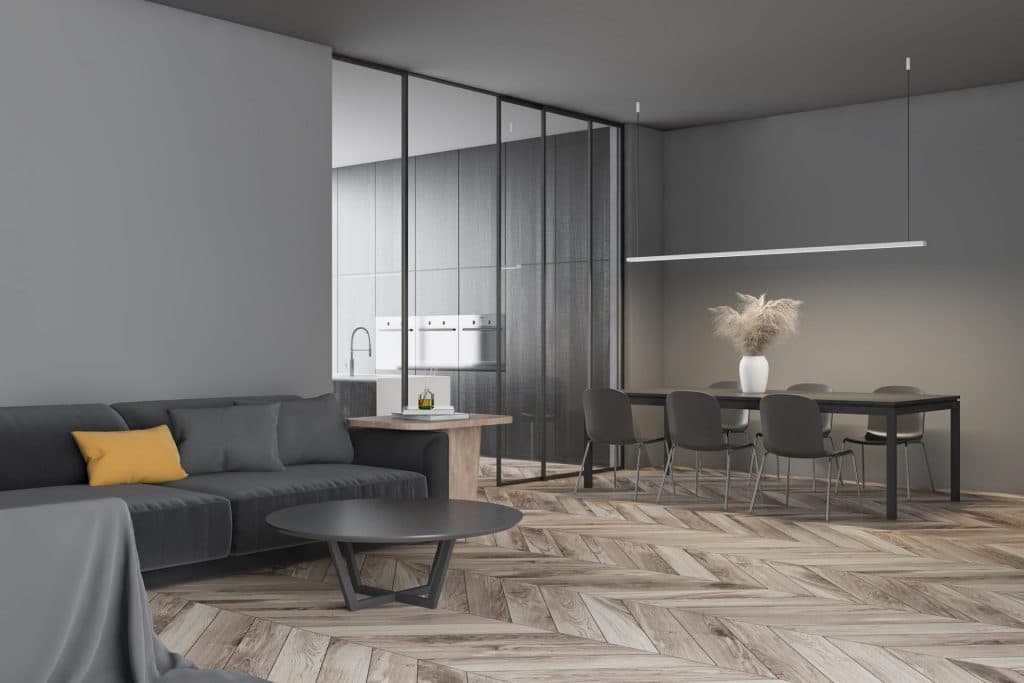
Choose by the light you want in the room. Blue Topaz 65 keeps living spaces bright; Black Diamond 20 brings a darker bedroom feel. Aquamarine 75 and Black Sapphire 5 offer higher approved overall solar-energy rejection.
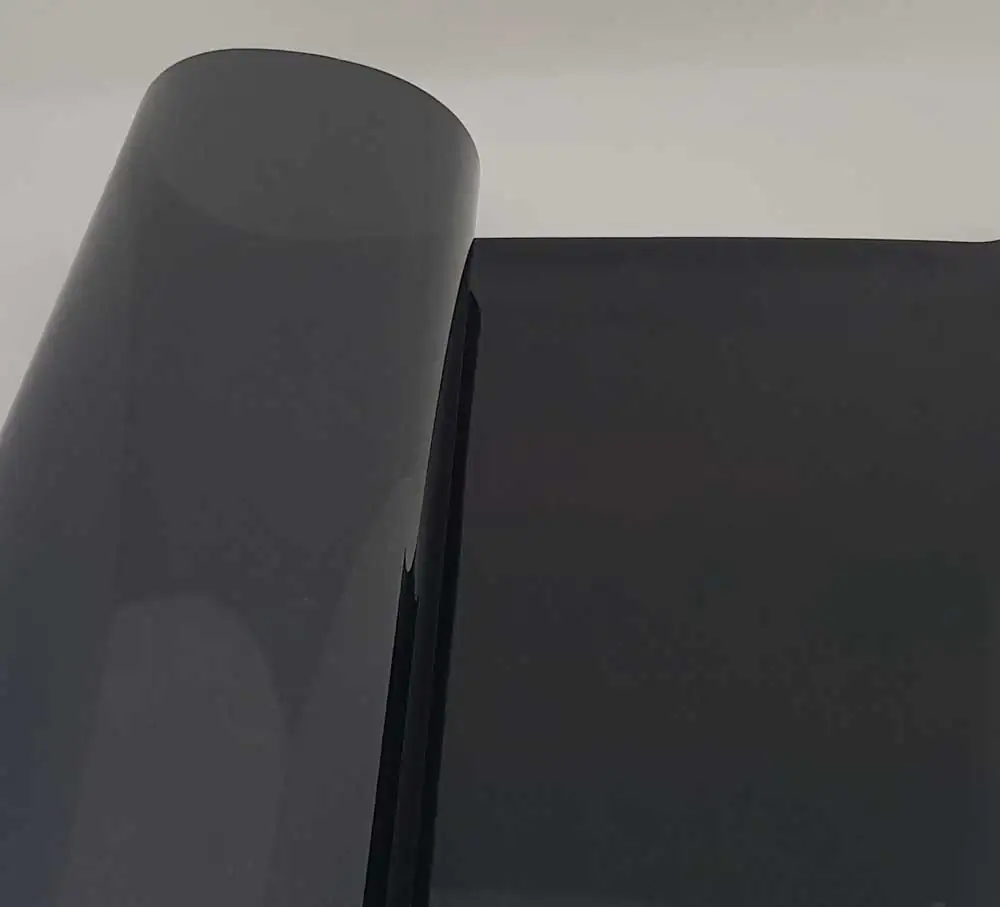 PRODUCT SAMPLECeramic IR Film · IR5BSBlack Sapphire 5Spaces where very low visible-light transmission is preferred8%VLT72%TSERView details
 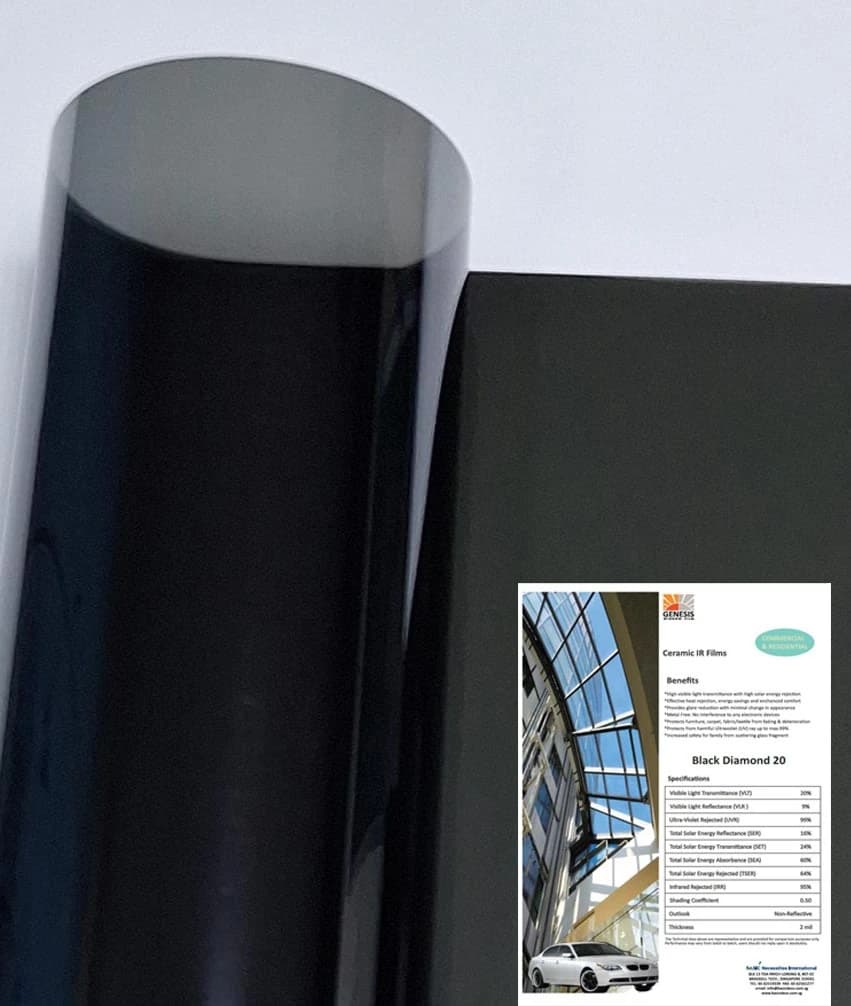 PRODUCT SAMPLECeramic IR Film · IR20BDBlack Diamond 20Rooms where lower daylight and a non-reflective appearance are preferred20%VLT64%TSERView details
 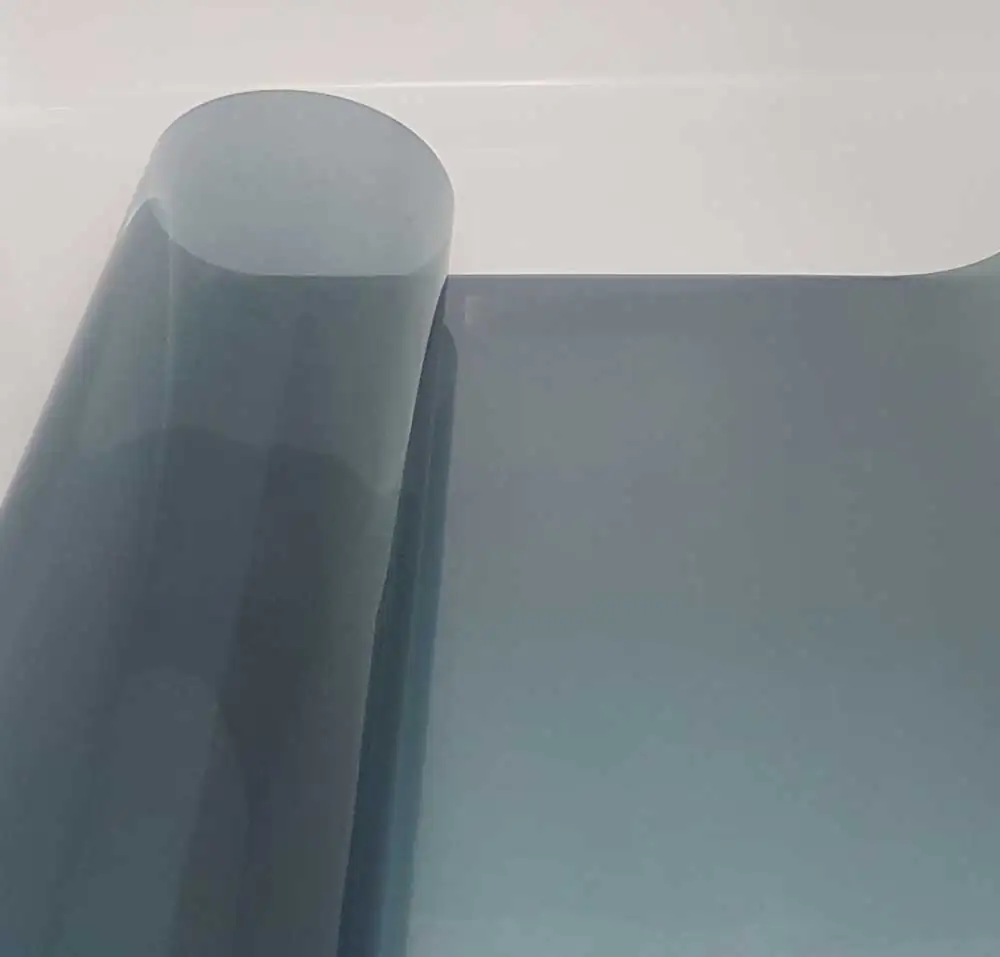 PRODUCT SAMPLECeramic IR Film · IR30OCOcean 30Spaces needing a balance between daylight and solar control37%VLT62%TSERView details
 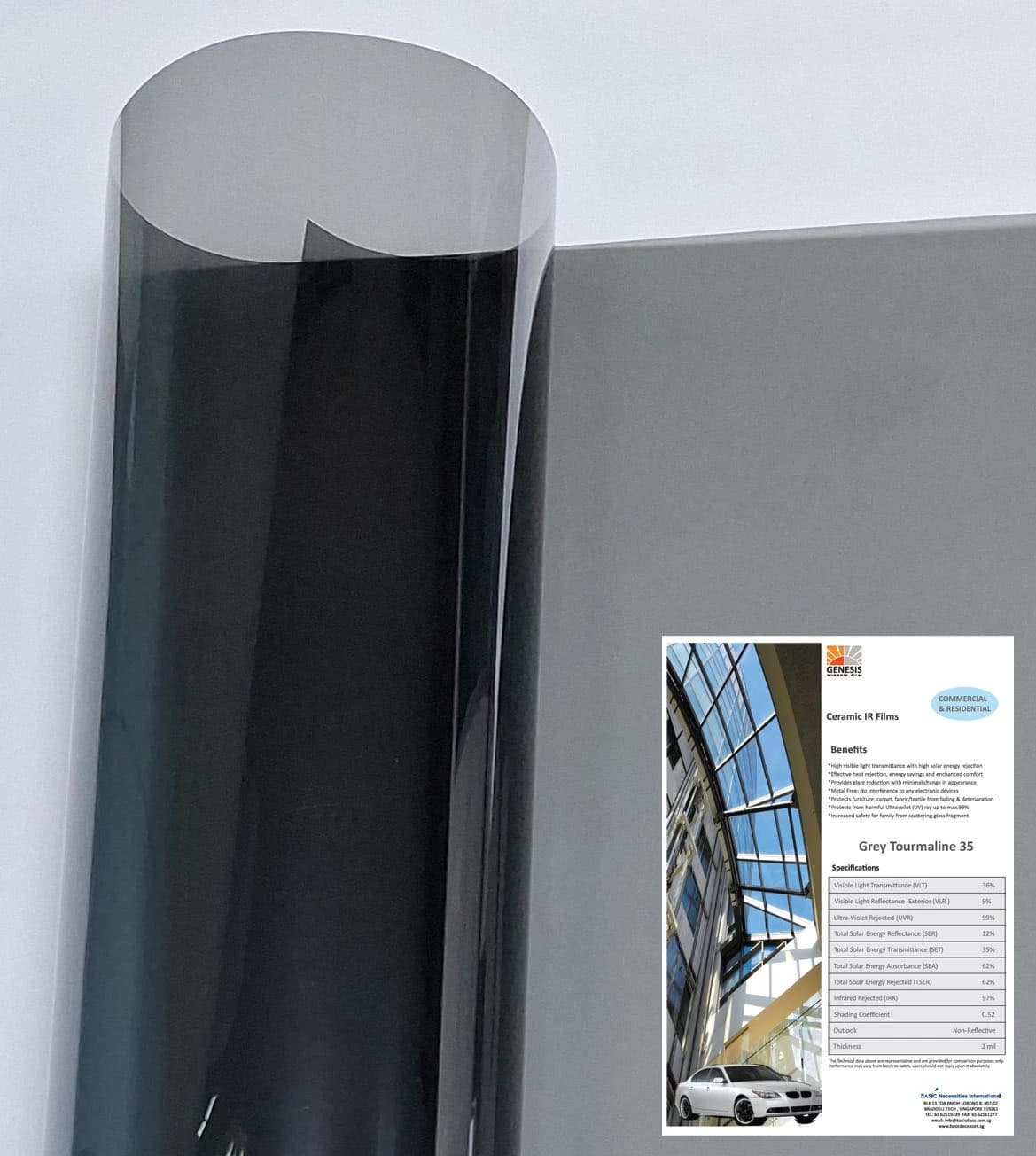 PRODUCT SAMPLECeramic IR Film · IR35GTMGrey Tourmaline 35Spaces seeking medium daylight and a non-reflective appearance36%VLT62%TSERView details
 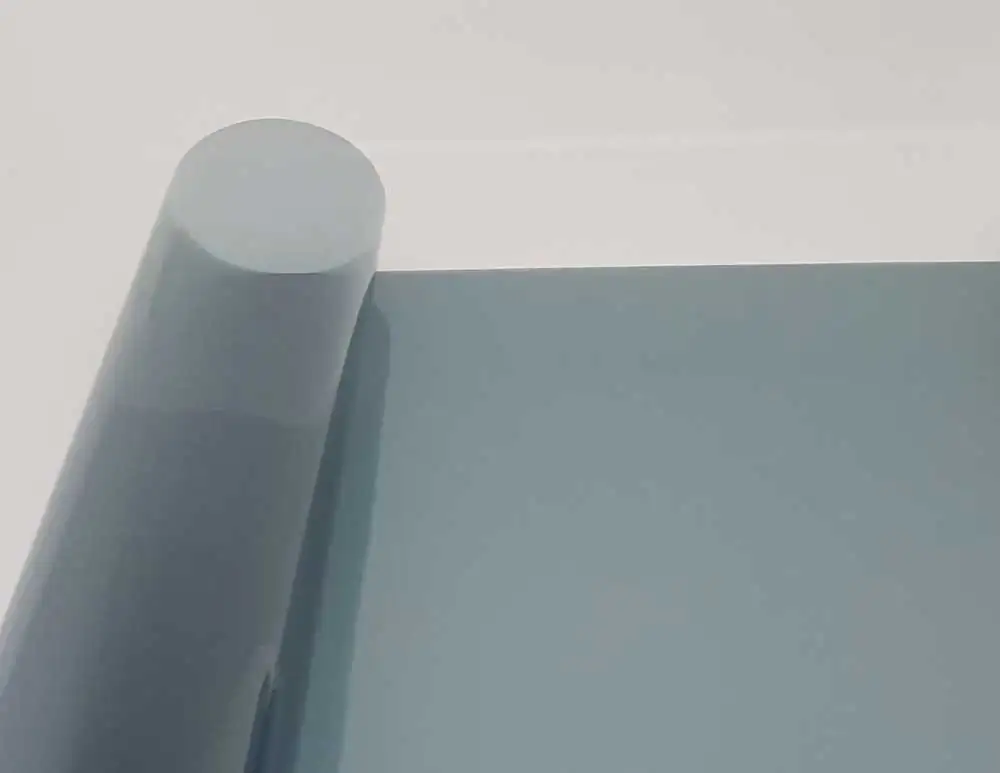 PRODUCT SAMPLECeramic IR Film · IR50SBSmokey Blue 50Spaces where medium daylight is preferred50%VLT60%TSERView details
 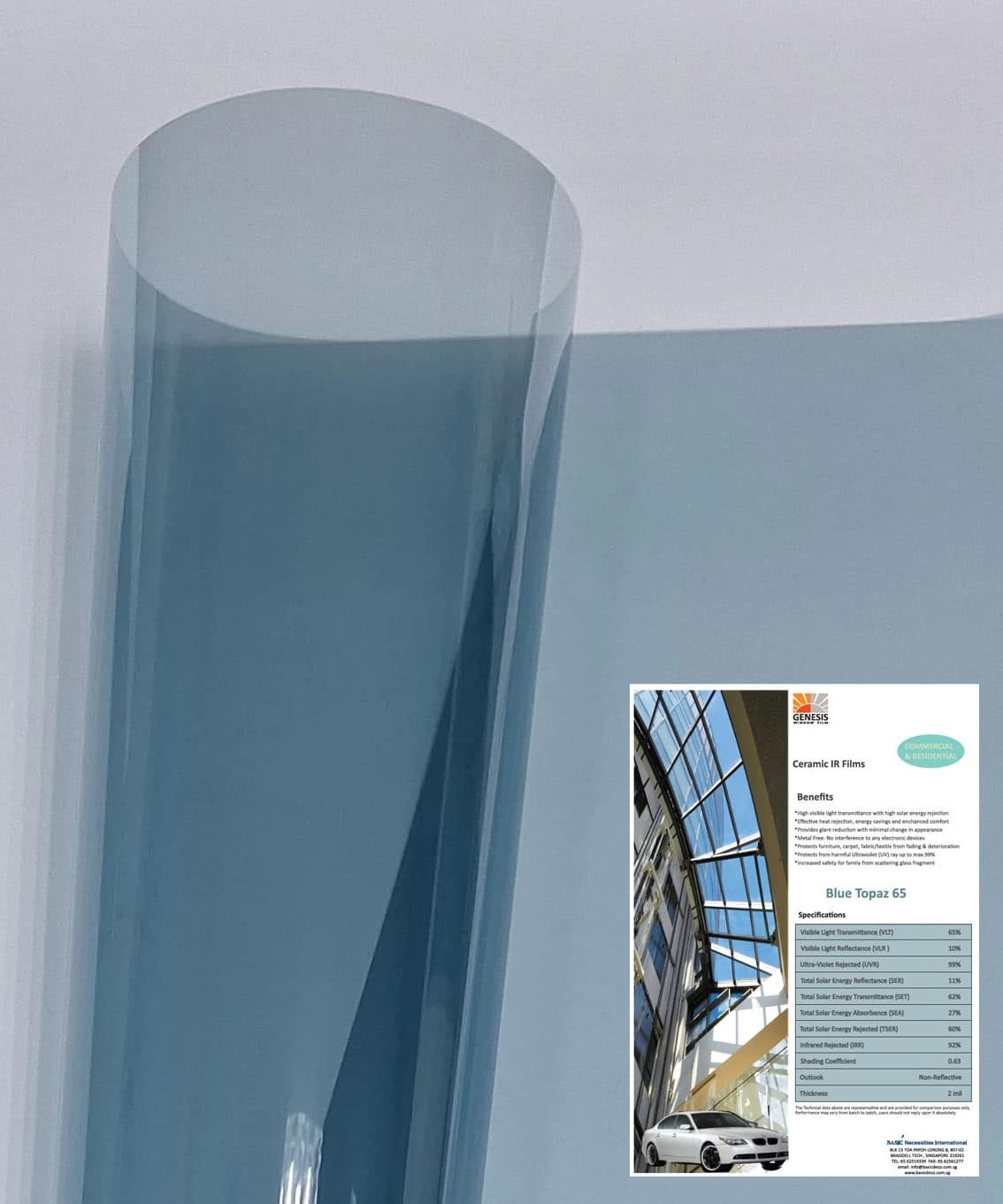 PRODUCT SAMPLECeramic IR Film · IR65BTBlue Topaz 65Bright spaces seeking higher visible-light transmission65%VLT60%TSERView details
 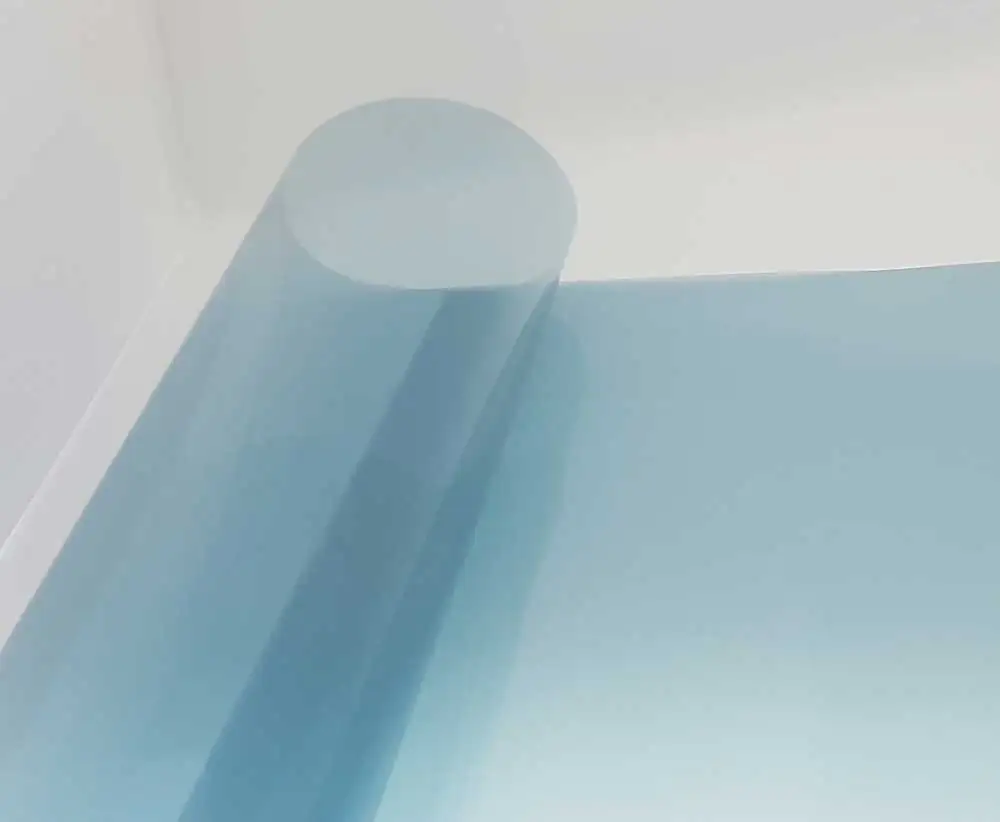 PRODUCT SAMPLECeramic IR Film · IR75AQAquamarine 75Spaces where very high daylight transmission is preferred74%VLT67.5%TSERView details
 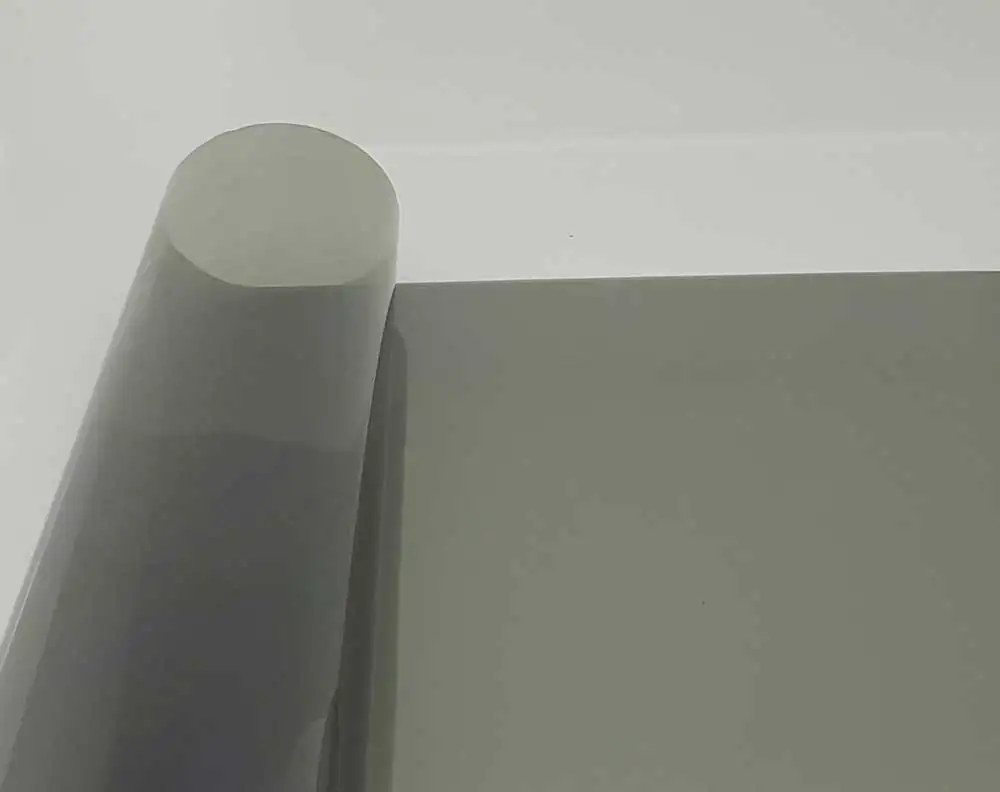 PRODUCT SAMPLECeramic IR Film · IR50OLOlive 50Spaces where medium daylight is preferred50%VLT61%TSERView details
 Balance daylight, comfort and appearance.
Ceramic film helps manage sun and glare at different light levels. Choose for the room, glass and daylight you want.
VLT is visible light transmission: higher means brighter. IRR is infrared rejection for the specific film. TSER is total solar energy rejected and is the more complete overall solar-energy measure. IRR is not total heat rejection.
Compare Ceramic IR Film by VLT, TSER and appearance. We confirm fit before quoting.
VLT tells you brightness; TSER is the fuller overall solar-energy measure. Compare the verified values without a popularity ranking.
| Film | Use | VLT | IRR | TSER | Category |
|---|---|---|---|---|---|
| Black Sapphire 5 | Spaces where very low visible-light transmission is preferred | 8% | 97% | 72% | Ceramic IR Film |
| Black Diamond 20 | Rooms where lower daylight and a non-reflective appearance are preferred | 20% | 95% | 64% | Ceramic IR Film |
| Ocean 30 | Spaces needing a balance between daylight and solar control | 37% | 97% | 62% | Ceramic IR Film |
| Grey Tourmaline 35 | Spaces seeking medium daylight and a non-reflective appearance | 36% | 97% | 62% | Ceramic IR Film |
| Smokey Blue 50 | Spaces where medium daylight is preferred | 50% | 96% | 60% | Ceramic IR Film |
| Blue Topaz 65 | Bright spaces seeking higher visible-light transmission | 65% | 92% | 60% | Ceramic IR Film |
| Aquamarine 75 | Spaces where very high daylight transmission is preferred | 74% | 94% | 67.5% | Ceramic IR Film |
| Olive 50 | Spaces where medium daylight is preferred | 50% | 96% | 61% | Ceramic IR Film |
Blue Topaz 65 has 65% VLT and 60% TSER. Aquamarine 75 has 74% VLT and 67.5% TSER.
No. Dark Ceramic reduces visible light but does not create total darkness or guarantee night privacy. Ask for Blackout film if view and light blocking are the priority.