
VLT explains the brightness tradeoff
Visible light transmission, or VLT, tells you how much visible light passes through. Higher VLT keeps a room brighter; lower VLT creates a darker view and may reduce disturbing brightness more strongly.
Glare can affect screens, dining areas and bright rooms. Choose film by the amount of visible light you want after installation, then check its solar-control specifications and appearance.
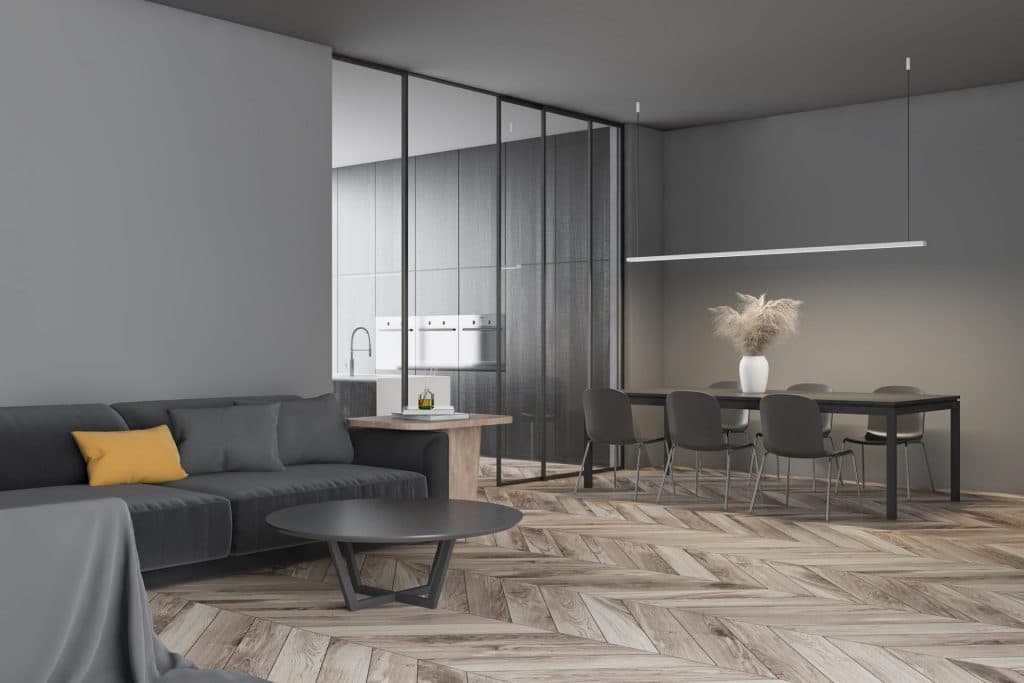
Balance daylight, comfort and appearance.
Visible light transmission, or VLT, tells you how much visible light passes through. Higher VLT keeps a room brighter; lower VLT creates a darker view and may reduce disturbing brightness more strongly.
Bright living rooms can compare Blue Topaz 65 and Aquamarine 75. Bedrooms wanting less morning brightness can compare Black Diamond 20 and Black Sapphire 5. Office screens require attention to window orientation and desk positions. Overhead glazing may warrant a separate look at Black Sapphire 5.
A film that suits one pane may be too dark on another. We discuss room use, existing light and glazing before the final scope is measured and quoted.
Availability and final product selection are confirmed with Basic Deco before quotation.
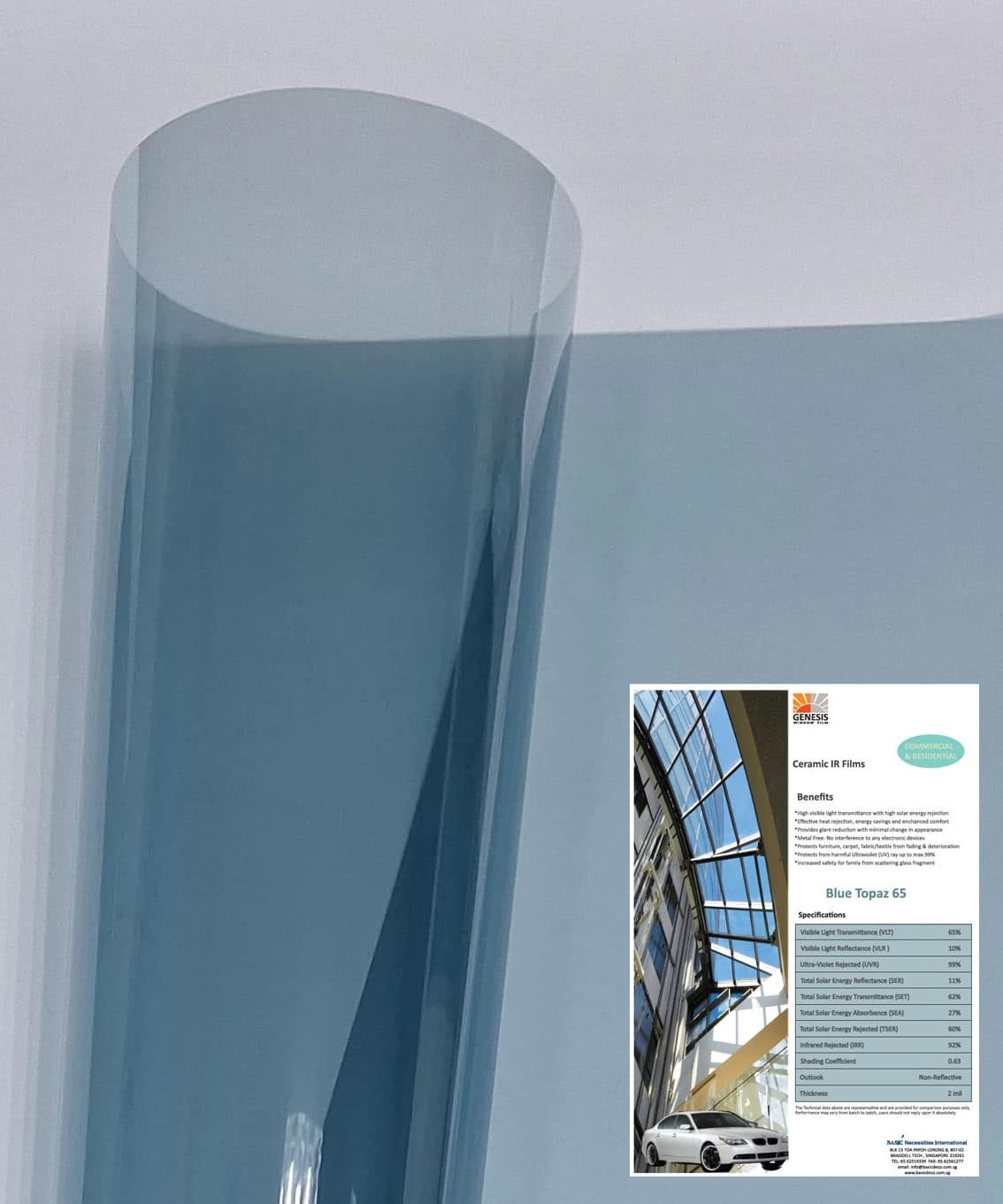 PRODUCT SAMPLECeramic IR Film · IR65BTBlue Topaz 65Bright spaces seeking higher visible-light transmission65%VLT60%TSERView details
 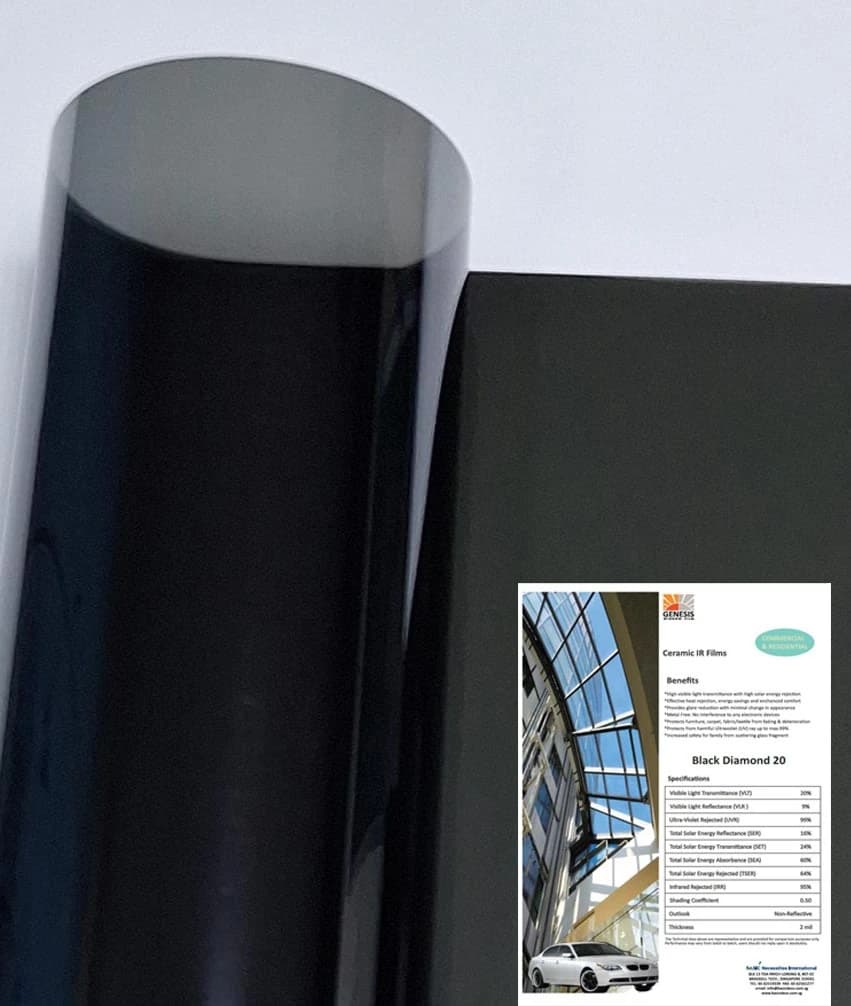 PRODUCT SAMPLECeramic IR Film · IR20BDBlack Diamond 20Rooms where lower daylight and a non-reflective appearance are preferred20%VLT64%TSERView details
 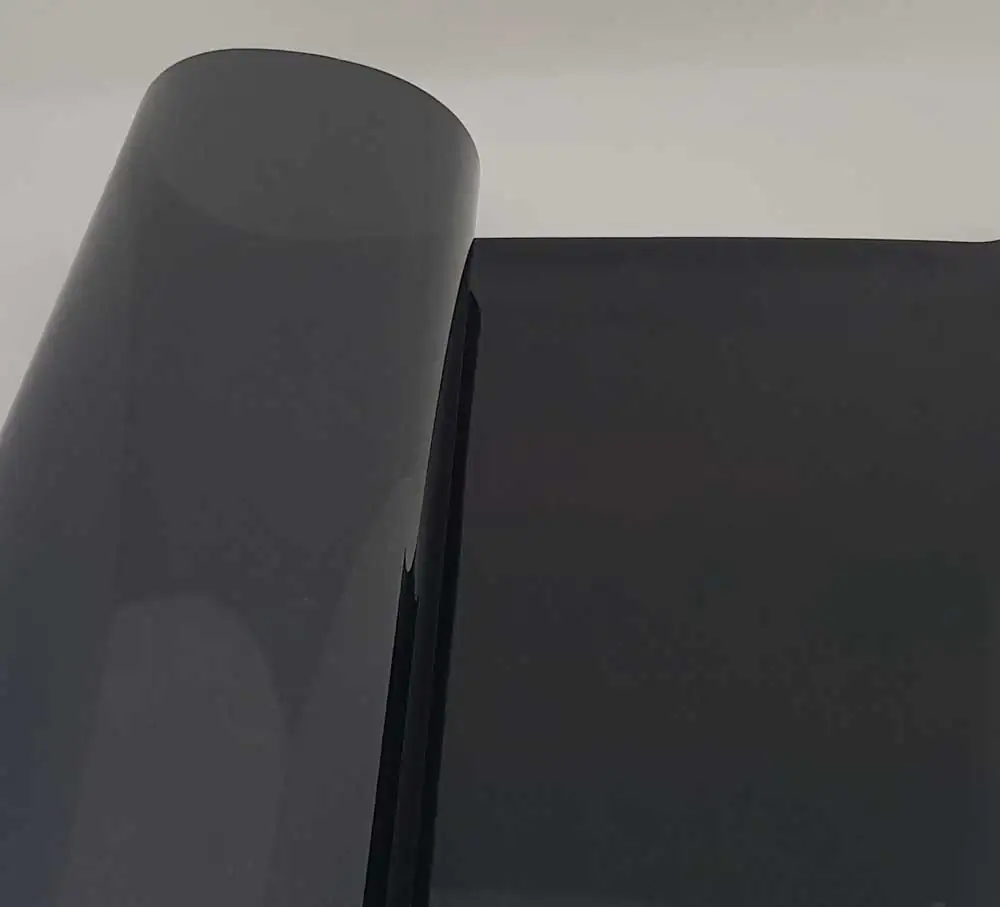 PRODUCT SAMPLECeramic IR Film · IR5BSBlack Sapphire 5Spaces where very low visible-light transmission is preferred8%VLT72%TSERView details